Three people were killed and dozens more wounded over two days this week after Houthi forces fired ballistic missiles and drones at two commercial airports deep inside Saudi Arabia, authorities said, marking a sharp escalation of the reignited Yemen war as it spills directly across the kingdom's southern border.
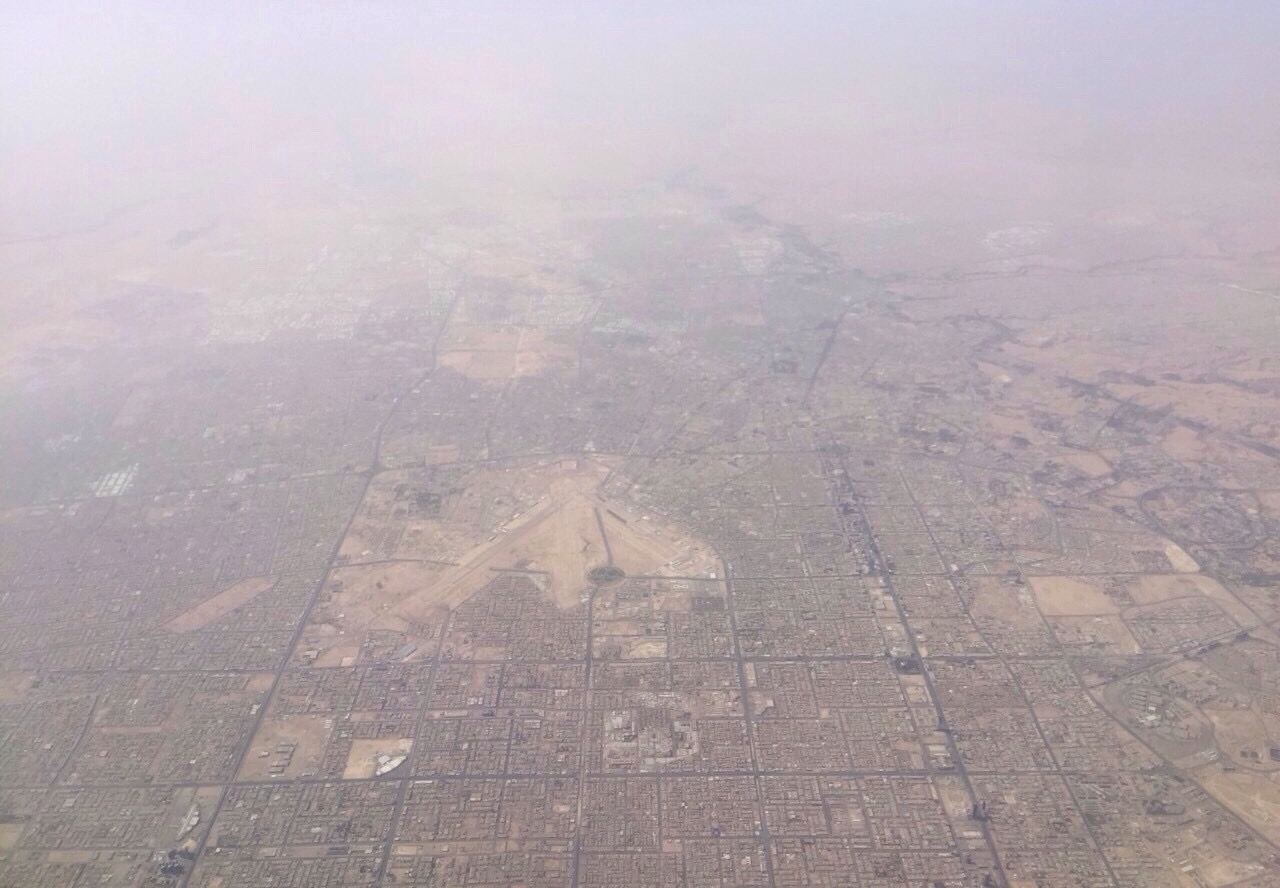
Saudi Arabia's General Authority of Civil Aviation said in a statement on Wednesday that an attack on Abha International Airport, near the Yemeni border, killed two women — one Moroccan, one Algerian — and wounded 28 people. A separate strike on King Khalid International Airport in the capital, Riyadh, killed a Sudanese man and wounded eight others. The authority said the two airports were hit on 6 and 7 October but did not specify which attack struck which target.
Houthi military spokesman Yahya Saree claimed responsibility for both strikes, saying his forces had used "a large number of ballistic and cruise missiles and drones" and describing the attacks as retaliation for "60 airstrikes and missile attacks" carried out by the Saudi-led coalition in the previous 24 hours. Saree said Houthi forces also struck Aden International Airport, the main air gateway for areas of Yemen outside rebel control, on Wednesday.
A Border War Reignited
The strikes land weeks into a renewed Yemeni civil war that has drawn in allies on both sides. Houthi forces, who control most of northern and western Yemen, seized the Red Sea port of Mokha and stretches of coastline near the Bab al-Mandab Strait in a rapid September offensive, a chokepoint at the narrowest point of the Red Sea through which a large share of the world's shipping passes. Saudi-backed government forces, fighting under an offensive codenamed Dawn of Yemen, say they have since retaken Mokha and secured the strait, though the claims have not been independently verified by outside observers.
A spokesman for the Saudi-led coalition said late Wednesday that the airport attacks "will not go unpunished" and that the coalition had struck more than 80 Houthi military sites across the governorates of Saada, Al Hudaydah, Al Jawf and Ma'rib in response. Saudi Defense Minister Khalid bin Salman said regional allies had agreed to activate joint deterrence measures against those responsible.
The committee agreed to activate collective deterrence measures within the framework of the Alliance in response to the attacks and all those responsible for them.
Khalid bin Salman, Saudi Defense Minister
Allies Mobilize, UN Sounds the Alarm
The World Health Organization has recorded at least 959 people killed and more than 4,200 wounded in the fighting since it reignited, and has warned that Yemen's health system, already battered by a decade of war, is being pushed toward what it called a breaking point, according to a report on the escalation. The International Organization for Migration says more than 184,000 people have been displaced since the fighting resumed.
Pakistan and Turkiye have agreed to rapidly deploy forces to Saudi Arabia under the Mecca Joint Defense Agreement, a mutual-defense pact the three countries signed in August that treats an attack on any signatory as an attack on all three. U.S. Secretary of State Marco Rubio said Saudi Arabia and Yemen's internationally recognized government have "a right to defend themselves," and Washington is reported to be providing intelligence support to Riyadh. U.N. Secretary-General António Guterres condemned what he called "the continued Houthi cross-border attacks" and said he was "deeply concerned by the sharp escalation in fighting."
The Saudi-led coalition first formed in 2015 to stop the Iran-aligned Houthis from toppling Yemen's internationally recognized government, and a fragile ceasefire brokered in 2022 had largely held for several years after fighting killed hundreds of thousands of people and triggered one of the world's worst humanitarian crises. With two of the kingdom's airports now struck directly and foreign militaries moving to reinforce Saudi defenses, diplomats and aid officials fear the renewed battle for Yemen's coastline is likely to intensify further, with neither side showing signs of returning to the negotiating table.