Saudi Arabia moved to shore up its defenses this week as Iranian-backed forces intensified attacks near the kingdom's southern border with Yemen, prompting Riyadh to sign a sweeping mutual-defense pact with Pakistan and Turkey just as US officials signaled a search for a way to de-escalate the six-month-old war with Iran.
The Houthi movement, the Iran-aligned group that controls much of northern Yemen, claimed responsibility for missile and drone strikes that wounded 11 civilians in the Saudi border region of Najran late Thursday, according to the Saudi-led coalition. The wounded included seven Saudi citizens — among them a woman and a four-year-old boy with burns — along with a Yemeni, two Egyptians and a Pakistani national, the coalition said, describing the strikes as an indiscriminate attack on civilian areas. The coalition also said Houthi forces launched a separate, large-scale assault on Yemeni government troops backed by Saudi Arabia days earlier, in what monitors called the group's deadliest push against those forces since 2022.
Saudi authorities separately said they were bracing for further attacks on ports and airports from Iraqi militias operating alongside Iran-backed factions, as the kingdom continues to absorb fallout from the wider war between Iran and the United States and Israel, now in its sixth month.
A new defense pact aimed at Tehran
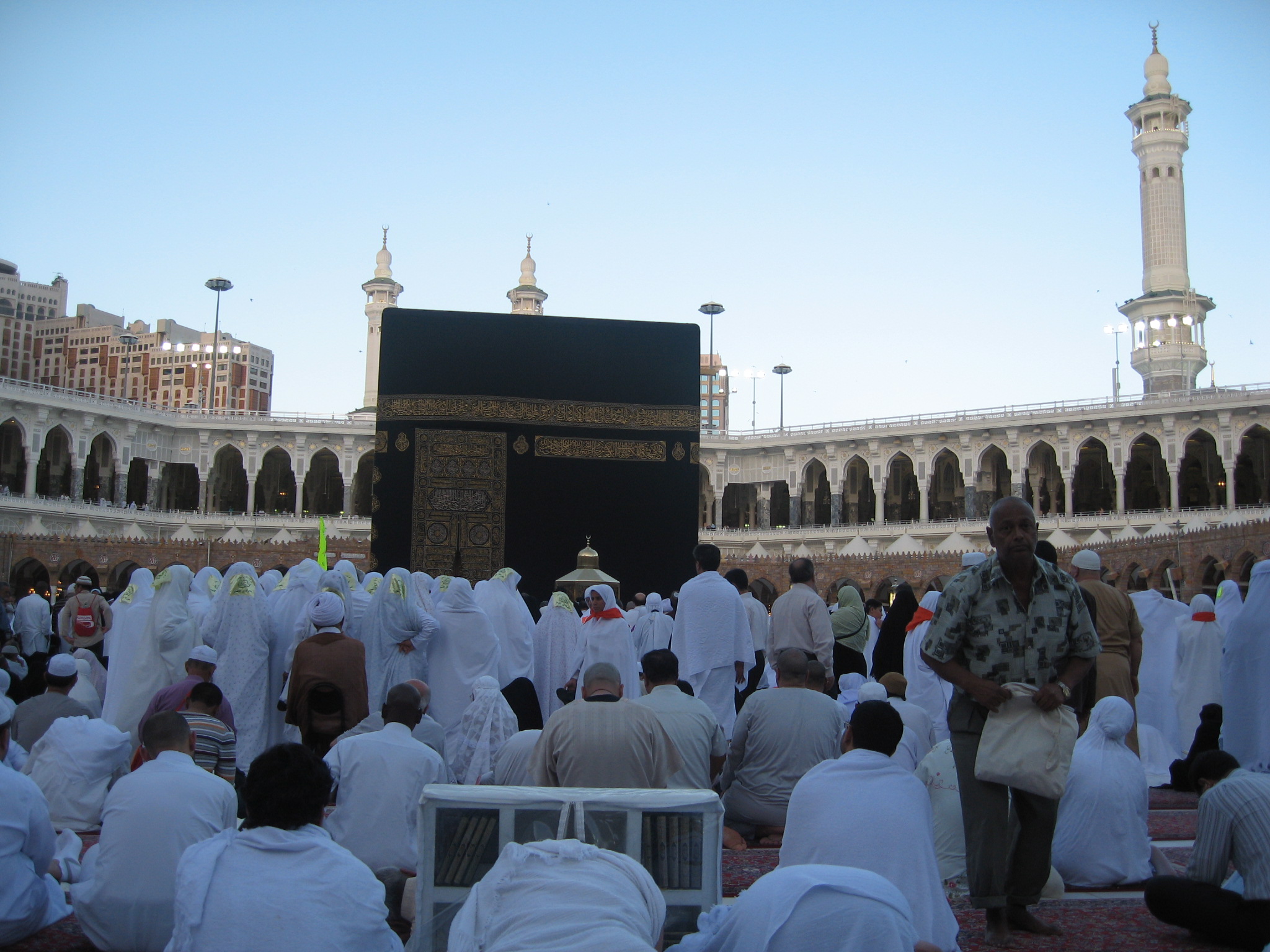
Against that backdrop, Saudi Crown Prince Mohammed bin Salman, Turkish President Recep Tayyip Erdogan and Pakistani Prime Minister Shehbaz Sharif signed the Mecca Joint Defence Agreement on Friday in the Saudi holy city, a trilateral pact under which an armed attack on any one of the three states is to be treated as an attack on all three — language modeled on NATO's Article 5. The agreement builds on a bilateral Saudi-Pakistani defense treaty signed last September and extends a comparable commitment to Turkey, which has NATO's second-largest standing army.
The pact draws together the Muslim world's most formidable military powers behind Saudi Arabia: Pakistan is the only Muslim-majority state with nuclear weapons, Turkey fields the alliance's second-largest force, and Saudi Arabia remains the world's top oil exporter. Analysts described the deal, which followed nearly a year of negotiations, as a pointed signal to Tehran that further strikes on Saudi territory could draw a far wider response.
Washington looks for an exit
The show of regional solidarity comes as senior US officials privately concede the war has reached a costly stalemate. Gen. Dan Caine, chairman of the Joint Chiefs of Staff, has told other top advisers that the United States needs to find an "off-ramp" from the conflict, warning that further escalation risks backfiring and that airpower alone is unlikely to deliver the regime change President Trump has said he wants.
Diplomatic efforts are meanwhile converging on the Strait of Hormuz, the narrow waterway through which roughly a fifth of the world's oil trade normally passes and which has been effectively closed to much shipping since the war began. Iranian Foreign Minister Abbas Araghchi said Tehran and Oman were "very close" to an accord on a new shipping arrangement through the strait, though Iran has continued to press for US concessions before any reopening. Qatar's prime minister, Sheikh Mohammed bin Abdulrahman Al Thani, has separately urged all parties to stay committed to dialogue, calling for an outcome that preserves "freedom of navigation" and regional stability. Pakistan, now bound to Riyadh by the new pact, has also positioned itself as a potential go-between given its long-standing ties to both Saudi Arabia and Iran.
The war traces back to February 28, when the United States and Israel launched a wave of strikes on Iranian nuclear and missile facilities, saying diplomacy had failed to contain Tehran's weapons programs. Iran retaliated with missile and drone attacks on US installations, embassies and oil infrastructure across the region, and Saudi Arabia has since reported periodic strikes on its own territory, including a barrage that Saudi officials said killed two civilians and wounded a dozen others earlier in the war.
What comes next
For now, the Mecca pact and the Hormuz talks represent two tracks moving in opposite directions — one hardening regional deterrence against Iran, the other seeking a narrow opening to de-escalate. Saudi officials have not said whether the new defense agreement will be formally invoked over the Najran strikes, and Houthi officials have given no indication they plan to halt attacks. Diplomats involved in the Oman-mediated talks said an announcement on the shipping arrangement could come within days, though previous predictions of an imminent Hormuz deal have repeatedly slipped.