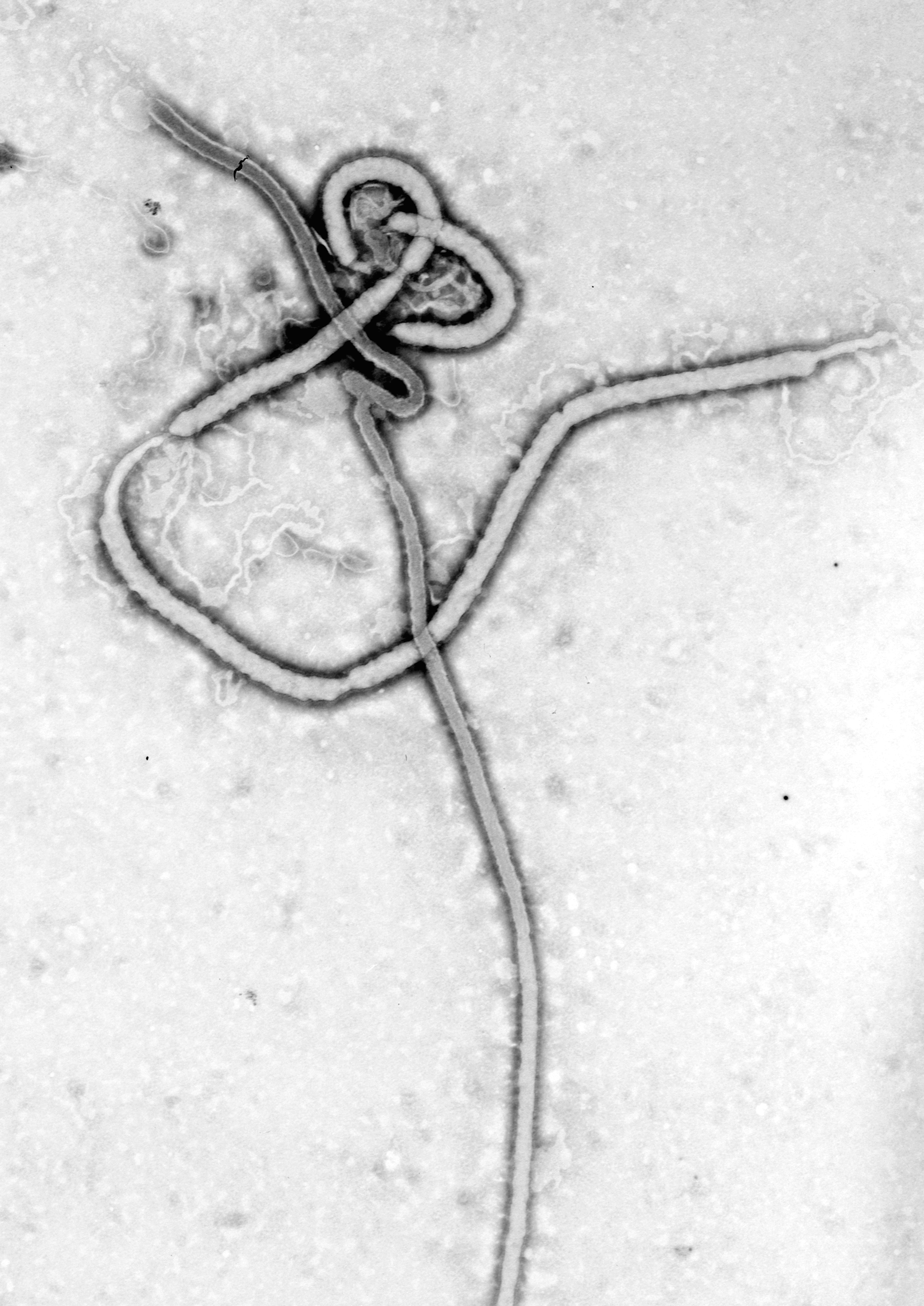
The Ebola outbreak in the Democratic Republic of Congo has become the deadliest in the country's history, health officials said Sunday, after the death toll surpassed the record set by the 2018–2020 epidemic. DR Congo's Institute of Public Health reported 2,325 deaths and 4,945 confirmed cases since the outbreak was declared on May 15, including 101 new cases in the previous 24 hours alone.
The pace of the spread has alarmed global health officials. It took nearly five months for the 2014–2016 West Africa outbreak — the deadliest ever recorded worldwide — to reach 1,000 deaths; this outbreak hit 2,000 deaths in under three months, and researchers believe it may have been spreading undetected since February. UN humanitarian chief Tom Fletcher warned last week that "the epidemic is killing someone every 30 minutes," and World Health Organization Director-General Tedros Adhanom Ghebreyesus said the outbreak is "already the second-biggest Ebola epidemic on record" and, at its current pace, "on track to eclipse" the 2014–2016 disaster.
No approved vaccine yet
The virus, caused by the rare Bundibugyo species, has spread to six of DR Congo's 26 provinces — a rate the World Health Organization has called "exceptional." It is the 17th Ebola outbreak in the country since the virus was first identified there in 1976, and years of armed conflict and a highly mobile population have hampered containment. Comparatively few cases have crossed borders: 20 have been confirmed in neighboring Uganda, with two patients treated in Germany and one case declared in France.
There is currently no approved vaccine for the Bundibugyo strain, though several are in development. Britain's medicines regulator has cleared the first human trials of a candidate vaccine built by a University of Oxford team using the same technology behind the Oxford-AstraZeneca Covid-19 vaccine, and three other groups are pursuing separate candidates. The WHO is also sponsoring a clinical trial in DR Congo to test whether two existing antiviral therapies can improve survival rates, and aid groups including Oxfam have warned of a "lack of resources" to fight the outbreak on the ground.
The WHO says it hopes to bring transmission under control within three months, though officials stressed that goal falls short of ending the outbreak entirely. Ebola spreads through contact with infected bodily fluids and begins with flu-like symptoms — fever, headache and fatigue — before potentially progressing to vomiting, diarrhea and organ failure. With cases still rising and the health system in eastern DR Congo already strained by conflict, officials say the coming weeks will determine whether the response can catch up to a virus that has consistently outpaced it.