The United States is on track to lose its measles-elimination status this year for the first time since the designation was achieved in 2000, as case counts climb past last year's total and childhood vaccination rates continue to slide.
Surveillance data tracked through August 20 show more than 2,700 confirmed measles cases nationwide in 2026, spread across dozens of outbreaks in most states. That already surpasses the roughly 2,300 cases reported for all of 2025, which was itself the worst year for measles in the U.S. in more than three decades. According to an analysis published by infectious-disease researchers, roughly nine in ten of this year's cases are linked to identifiable outbreaks rather than isolated travel-related infections, a pattern consistent with sustained community transmission.
A vaccination gap behind the numbers
Federal survey data show why the virus keeps finding footholds. Kindergarten vaccination coverage with the measles-mumps-rubella vaccine fell from 95.2 percent in the 2019–2020 school year to 92.4 percent in 2025–2026, according to CDC figures cited in a KFF explainer on elimination status. That drop of under three percentage points is enough to matter: measles is so contagious that public-health officials generally consider 95 percent coverage the threshold needed for herd immunity to reliably block sustained spread. Below that line, researchers estimate, roughly 280,000 U.S. kindergartners entered school this past year without documented protection against the virus.
These figures are surveillance and coverage statistics, not a controlled study — they describe a real-world trend rather than establish it experimentally, though the association between falling vaccination rates and rising outbreak activity is well established in decades of prior epidemiological research on measles.
What losing the designation would mean
Elimination status, awarded by the World Health Organization's regional body in 2000, signifies that a country has gone at least 12 consecutive months without continuous, endemic transmission of the virus — as opposed to isolated cases seeded by travelers. The Pan American Health Organization's regional commission is expected to formally review the U.S. record this November, and researchers who have analyzed the case data say the country has already failed to meet several of the underlying epidemiological benchmarks the designation requires.
Losing the status would be largely symbolic in the near term — it would not trigger new federal restrictions — but public-health researchers say it would mark a significant reversal for a country that once served as a global model for measles control, and it could complicate international travel advisories and outbreak-response coordination with health agencies abroad.
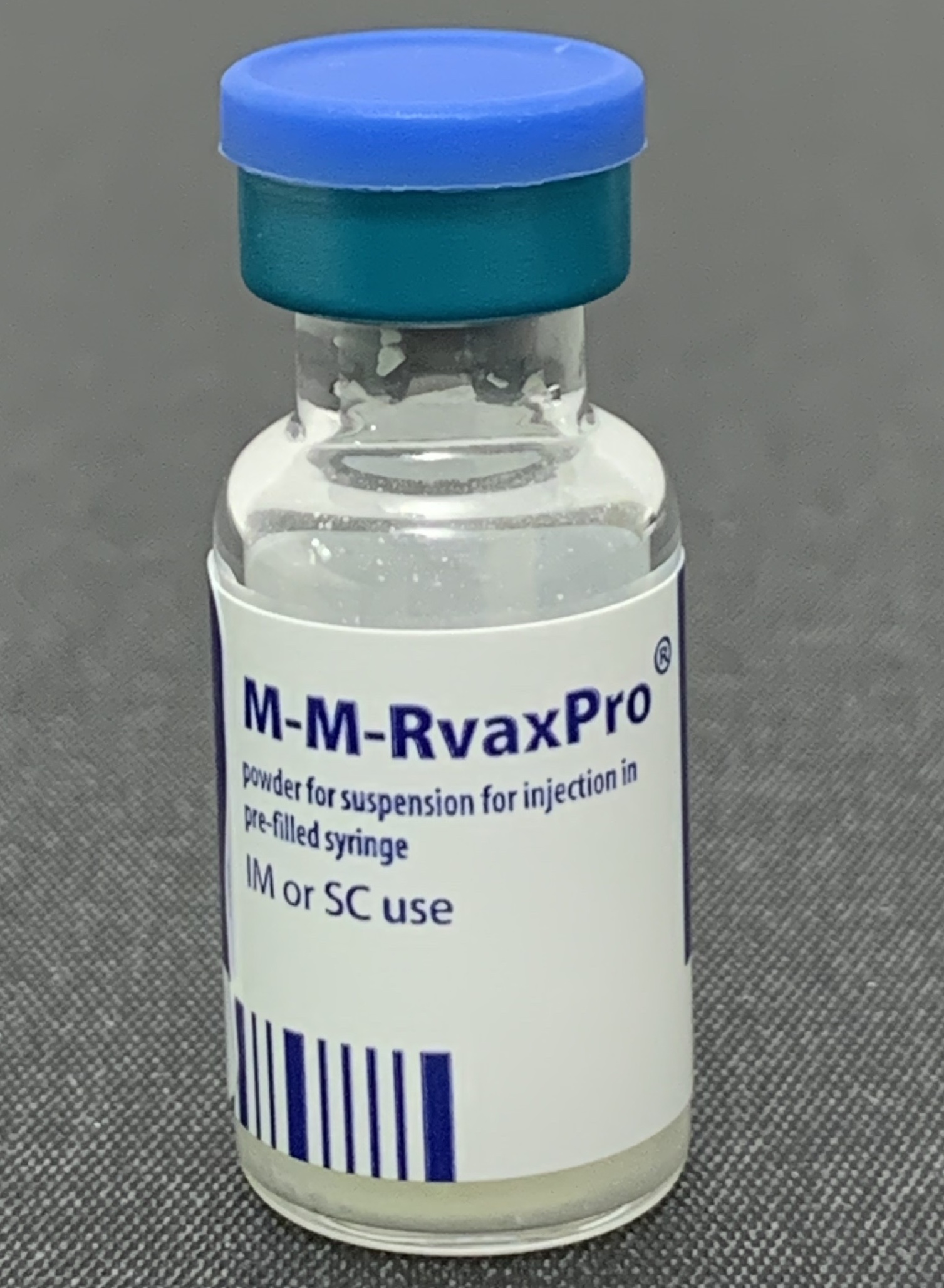
For now, health officials are focused on the outbreaks driving the total upward, concentrated in communities with clusters of unvaccinated children, while emphasizing that the two-dose MMR vaccine remains highly effective at preventing infection and severe disease in those who receive it on schedule.