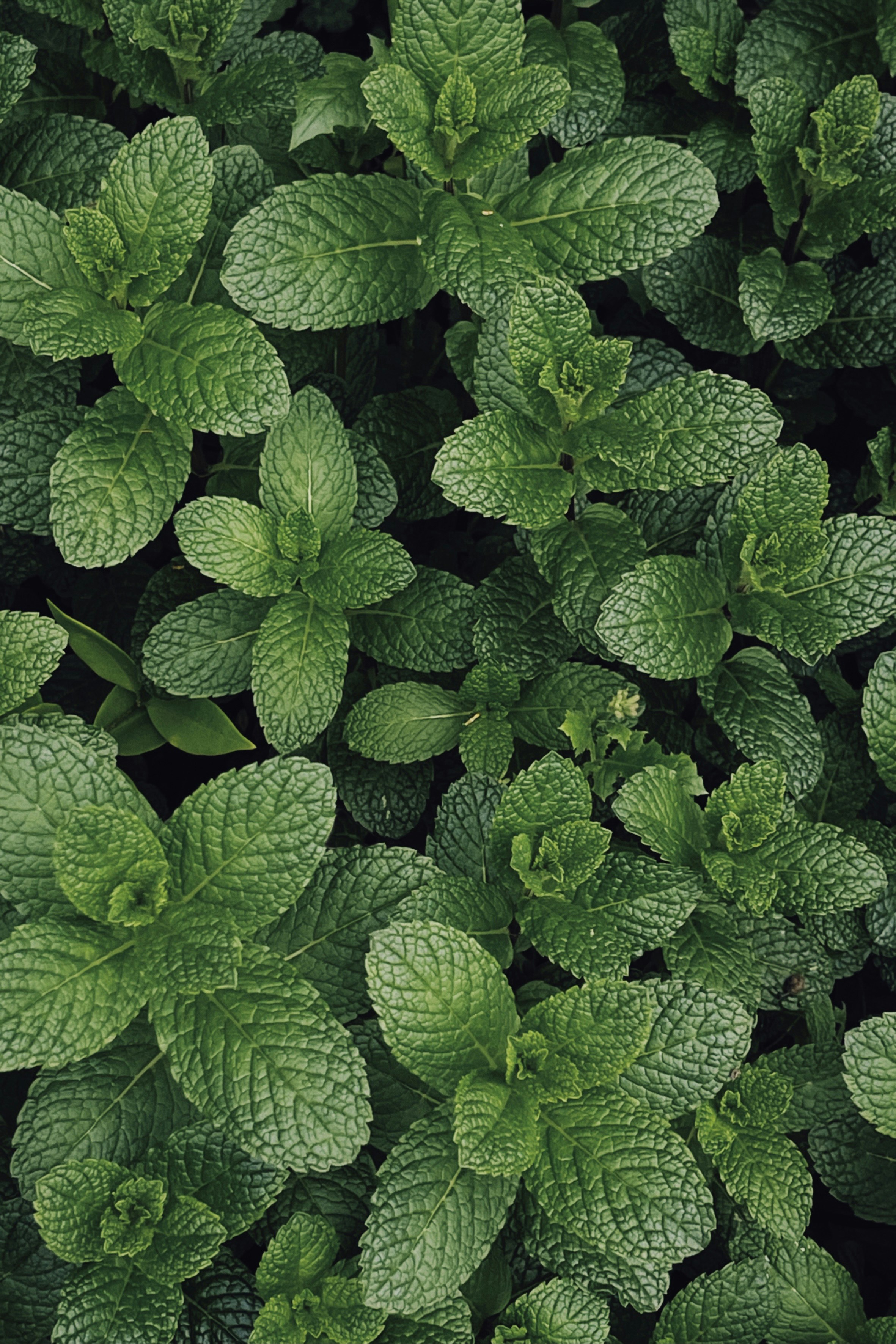
A small placebo-controlled trial has found that a twice-daily peppermint oil supplement measurably lowered blood pressure in adults with mildly elevated readings, offering early evidence for what researchers call a cheap, well-tolerated option for people not yet on blood pressure medication.
The trial, led by Jonnie Sinclair, a reader in sport and health sciences at the University of Lancashire, randomly assigned 40 adults aged 18 to 65 with pre-hypertension or stage 1 hypertension to take either a peppermint oil supplement or a peppermint-flavored placebo for 20 days. Participants in the treatment group took 50 microliters of oil diluted in 100 milliliters of water, twice a day. The results were published in the journal PLOS One.
What the numbers show
By the end of the trial, the peppermint group's systolic blood pressure — the top number in a reading — had fallen by an adjusted average of 8.5 points more than the placebo group, from a baseline around 130 mmHg to roughly 122 mmHg. The placebo group's readings barely moved. Diastolic pressure dropped by about 4.6 points and resting heart rate fell by roughly 9 beats per minute in the peppermint group, both statistically significant secondary findings. Researchers attribute the effect to menthol and flavonoid compounds naturally present in the oil, though the study did not measure the underlying biological mechanism directly.
Peppermint oil is low in calories and price so it's proved to be a very simple and cost-effective solution to potentially treat millions of people around the world.
Jonnie Sinclair, Reader in Sport and Health Sciences, University of Lancashire
High blood pressure in its earliest stages is often managed through diet and lifestyle changes before medication is considered, and researchers have long looked for low-cost, low-risk interventions that patients will actually stick with. Peppermint oil is already widely sold as a digestive aid, which the authors say could make it easier for patients to adopt if larger trials confirm the effect.
What the trial cannot show
The authors themselves flag real limits on how far the finding can be extended. The trial ran for just 20 days, too short to know whether the blood-pressure drop holds up over months or years, and the study was statistically powered only for its main systolic blood pressure measure, meaning the diastolic and heart-rate results, while promising, are less certain. Blood pressure was also measured in clinic rather than with 24-hour ambulatory monitoring, a more rigorous standard, and the trial did not test blood or tissue samples that might explain how the oil works. With only 40 participants split across two groups, the sample is small enough that a larger, longer trial would be needed before doctors could recommend peppermint oil as a treatment. The Lancashire team says it now plans a bigger follow-up study to test whether the effect persists over a longer period and to identify the biological pathway involved.