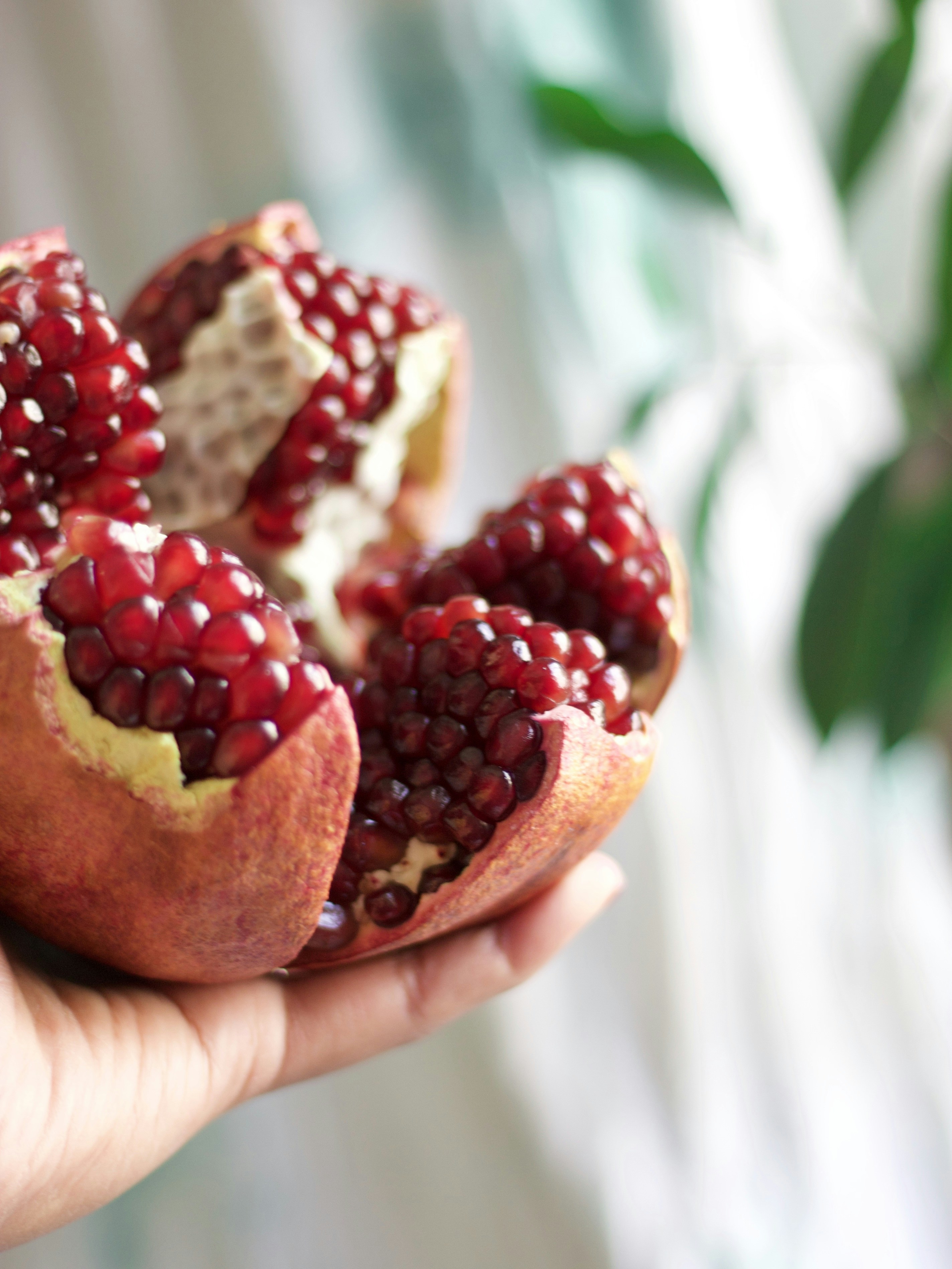
A compound the body produces after eating pomegranates, walnuts and certain berries improved heart function in animal and lab tissue models of a hard-to-treat form of heart failure, according to researchers at King's College London, who caution the finding is still far from a treatment.
The compound, urolithin A, is generated when gut bacteria break down natural substances called ellagitannins found in those foods. In the new study, published in the journal Science Advances, a team led by Joseph Burgoyne tested urolithin A in animal models of heart failure with preserved ejection fraction, a form of the disease in which the heart muscle stiffens and struggles to relax and fill with blood between beats, even though its pumping strength looks normal on standard tests.
What the tests found
In treated animals, measures of heart function improved by as much as 80 percent compared with untreated controls. The compound also reduced fibrosis, the scarring of heart tissue that stiffens the muscle, and limited the abnormal thickening of heart cells that drives the disease. When the researchers exposed engineered human heart tissue, grown from stem cells, to urolithin A, it also showed improved relaxation. The team traced the effect to a specific site on a protein called PKG1α, which the compound appears to activate, triggering a chain of molecular changes that helps heart muscle relax properly.
Heart failure with preserved ejection fraction accounts for roughly half of all heart failure cases and has few effective treatments; unlike heart failure caused by weak pumping strength, it does not respond well to many standard heart failure drugs. That treatment gap is what makes even early, preclinical findings like this one draw attention from cardiologists.
While there isn't enough evidence to suggest that people should eat pomegranates to treat heart failure, these findings raise the possibility that dietary approaches could help address the condition.
Joseph Burgoyne, Senior Author, King's College London
That caution is central to how the research should be read. Every result described came from animal models or engineered tissue in a dish, not from patients, and compounds that show promise in mice frequently fail to reproduce the same effect in humans. Naturally occurring levels of urolithin A from diet alone also vary enormously between individuals, since how much a person's gut bacteria produce depends on the composition of their microbiome, not just how many pomegranates or walnuts they eat.
The King's College London team says the next step is testing purified, standardized doses of urolithin A — rather than relying on food-derived amounts — in further animal studies, with an eye toward eventually designing a human clinical trial. Only a trial in patients with heart failure with preserved ejection fraction would show whether the molecular effects seen so far translate into a measurable clinical benefit.