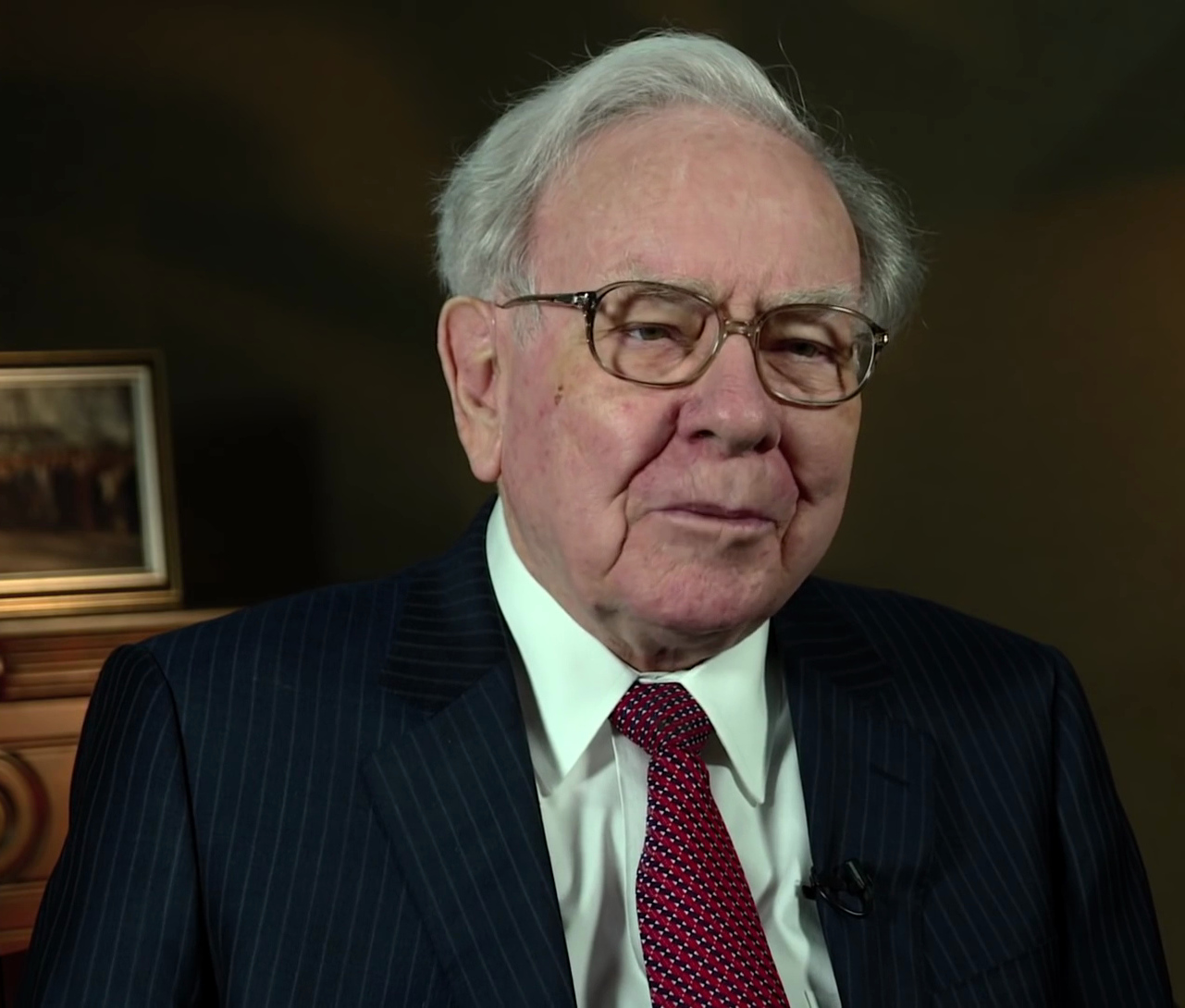
Berkshire Hathaway's operating earnings fell to $12.7 billion in the third quarter, a decline of nearly 6% from $13.5 billion a year earlier, as a sharp pullback in insurance profit weighed on results even as chief executive Greg Abel pushed the conglomerate to buy back stock at a faster pace than his predecessor ever did. The company released its third-quarter earnings release on Saturday, alongside a quarterly filing that laid out the numbers behind Berkshire's first full year without Warren Buffett as chief executive.
Net earnings, which include swings in the value of Berkshire's enormous stock portfolio, fell further still, dropping to $22.1 billion from $30.8 billion a year ago. Investment gains shrank to $9.4 billion from $17.3 billion. Berkshire has long cautioned investors against reading too much into that line item on a quarterly basis, repeating in its release that "the amount of investment gains (losses) in any given quarter is usually meaningless."
Insurance drags on an otherwise steady business
The real story in the quarter was insurance. After-tax underwriting earnings fell nearly 43%, with all three of Berkshire's underwriting groups posting lower results than a year earlier. Insurance investment income, the interest and dividends Berkshire earns on the roughly $178.5 billion of float generated by its insurance operations, slipped 14% to $2.7 billion as interest rates eased from their recent peaks. Outside of insurance, Berkshire's railroad, utility, manufacturing and retail operations held up better, though the company's release did not break out granular segment figures beyond the underwriting detail.
The weaker underwriting result stands out because it is precisely the kind of disciplined, float-generating business Buffett spent six decades building as Berkshire's foundation. A soft quarter there does not change that model, but it does show the limits of insurance earnings as a smooth offset when markets are volatile elsewhere in the portfolio.
Where Abel has visibly put his own stamp on the company is capital allocation. Berkshire repurchased $9.6 billion of its own stock in the third quarter, bringing buybacks for the first nine months of the year to $14.4 billion, with Class B shares bought back at average prices of roughly $496 to $507. That pace is notably faster than the buyback-averse approach Buffett favored in his final years running the company, when Berkshire went several consecutive quarters without repurchasing any stock at all.
Berkshire's cash hoard nonetheless kept growing. The company ended September with about $377.4 billion in cash, equivalents and short-term Treasury bills, up from $365.5 billion at the end of June, even after a nine-month stretch in which Berkshire was a net seller of equities — buying $41.8 billion of stocks while selling $30.6 billion. That makes it 15 of the last 16 quarters in which Berkshire has sold more stock than it bought, a selling streak that began under Buffett and has continued into Abel's tenure. Bloomberg has reported that one of the quarter's notable additions was a roughly $10 billion stake built in Alphabet.
The quarter's two biggest acquisitions both closed earlier in the year: the roughly $9.4 billion purchase of chemicals maker OxyChem from Occidental Petroleum in January, and the approximately $6.8 billion deal for homebuilder Taylor Morrison that closed on July 24. Both deals reflect Abel's preference, honed over years running Berkshire's non-insurance operating businesses, for acquiring entire companies outright rather than taking minority stakes.
Analysts have largely framed the quarter as a function of insurance volatility rather than a strategic shift. One widely read assessment of the results argued the miss came "on insurance, not on strategy," with Berkshire's underlying operating businesses and its capital-deployment discipline both intact. With nearly $377 billion still sitting in cash and short-term bills, the question investors keep asking is the same one they asked under Buffett: what, if anything, will persuade Berkshire to spend it on something bigger than buybacks.